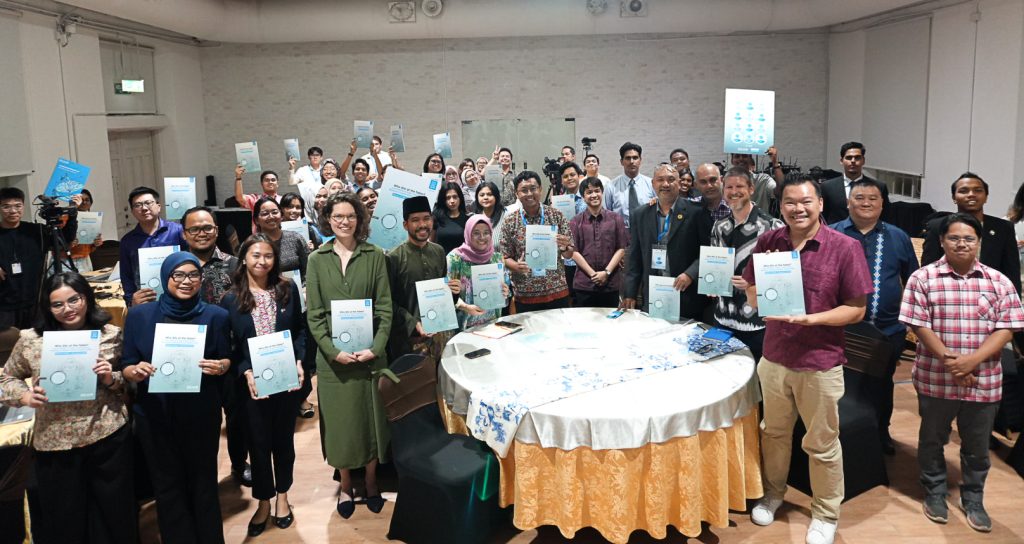

Kuala Lumpur, 5 March 2026 – INITIATE.MY attended IDEAS’ “Who’s Who & So and So” Documentary Screening & Pantau Kuasa “Who Sits at the Table? From Political to Public Appointees in Malaysia’s Federal Statutory Bodies (FSBs)” Report Launch, held at Muzium Telekom Kuala Lumpur.
The latest report and documentary highlighted ongoing trends in political appointments across FSBs, noting that many leadership roles—especially chairperson positions—remain highly discretionary, with minimal eligibility requirements. While such appointments have varied across administrations, they continue to persist at significant levels.
The report raised several key concerns:
- The “dual-hat” phenomenon, where individuals hold both political and governance roles, creating conflicts of interest in key decision-making
- Risks to institutional independence and accountability
- Greater exposure to poor governance, corruption, and financial mismanagement
The report also proposed several reform priorities to strengthen governance and restore public trust:
- Introduce merit-based eligibility criteria for appointments
- Establish independent screening mechanisms
- Strengthen parliamentary or external oversight
- Codify transparent and consistent appointment procedures
A panel discussion followed the documentary screening and report launch. The panel examined broader structural and political challenges, featuring Ahmad Fikri Ahmad Fisal, Independent Researcher; Pushpan Murugiah, CEO of the Center to Combat Corruption and Cronyism; and Asraf Sharafi, Executive Director of the Coalition for Clean and Fair Elections (BERSIH).
Key takeaways from the panel included:
- Political appointments often serve as reward mechanisms within the political system
- Existing governance frameworks are often sufficient, but implementation and enforcement remain weak
- Malaysia needs clearer definitions and categories of state-owned entities to guide targeted reforms
The discussion also highlighted the need to build sustained political will for reform. Participants stressed that meaningful change requires stronger public awareness, continued advocacy, and coordinated action across government, civil society, and the private sector.
For INITIATE.MY, the discussion highlighted the importance of treating governance reform as part of Malaysia’s broader peace and security agenda, as weak institutions, conflicts of interest, and poor oversight can create long-term risks to democratic resilience, public confidence, and effective security governance.